
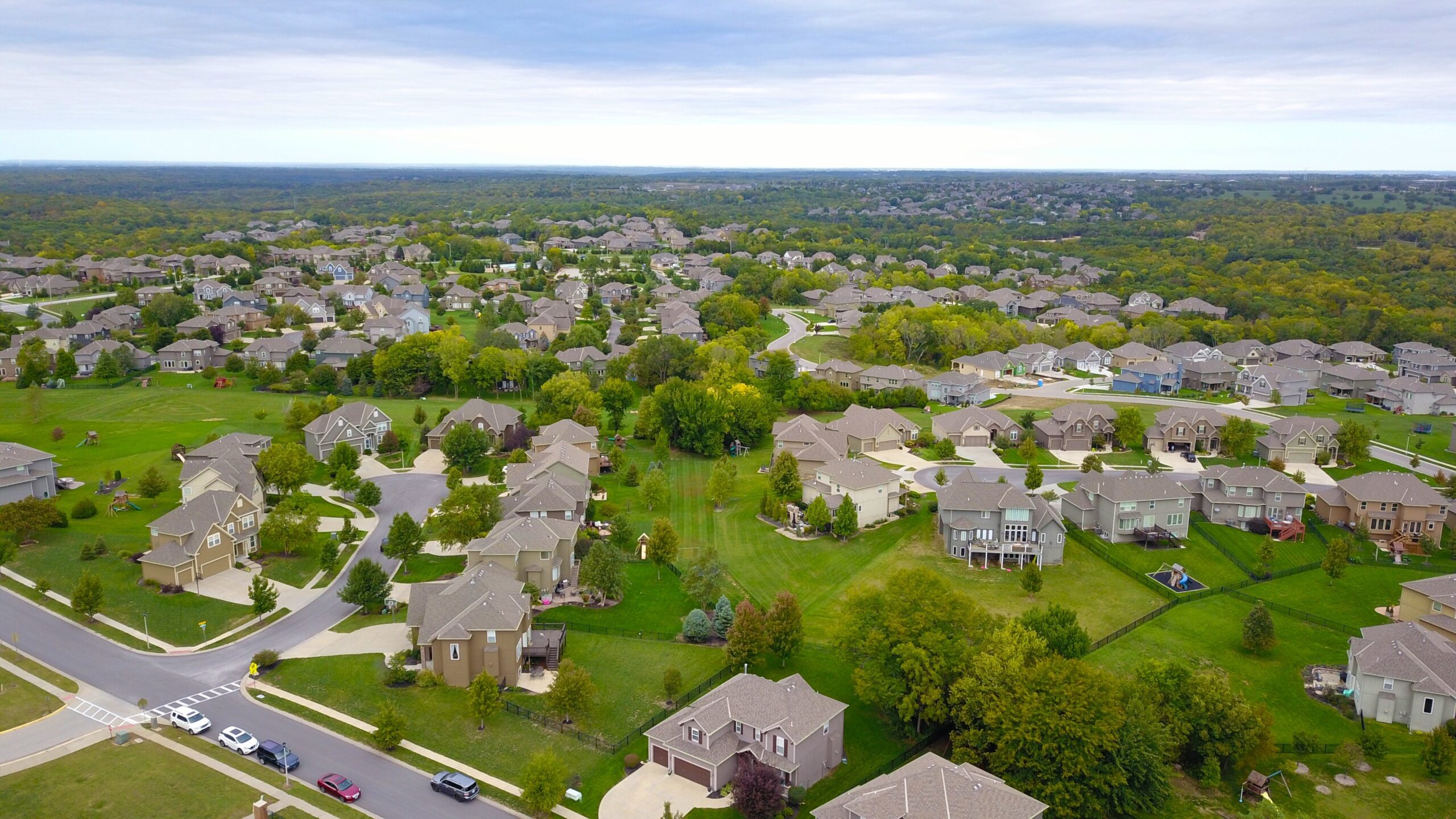
In an era where environmental consciousness is on the rise, the concept of green living and sustainable homes has gained significant traction. This comprehensive guide aims to explore the world of eco-friendly homes, sustainable practices, and how individuals can embrace green living for a healthier planet and a more sustainable future.
1: The Rise of Eco-Friendly Homes
1.1: Understanding Eco-Friendly Design
Explore the principles of eco-friendly home design, including energy efficiency, use of sustainable materials, and environmentally conscious construction practices.
1.2: Benefits of Eco-Friendly Homes
Discuss the advantages of living in eco-friendly homes, such as reduced energy costs, improved indoor air quality, and a lower carbon footprint. Highlight how these homes contribute to a more sustainable lifestyle.
2: Sustainable Building Materials
2.1: Eco-Friendly Flooring Options
Explore sustainable flooring materials such as bamboo, cork, and reclaimed wood. Discuss their durability, aesthetic appeal, and eco-friendly attributes.
2.2: Recycled and Upcycled Construction Materials
Highlight the use of recycled and upcycled materials in construction, emphasizing their positive impact on reducing waste and promoting a circular economy.
3: Energy-Efficient Home Systems
3.1: Solar Power Solutions
Discuss the benefits of solar energy for homes, including solar panels, solar water heaters, and solar-powered appliances. Address the cost savings and environmental impact of harnessing solar power.
3.2: Smart Home Technologies
Explore how smart home technologies contribute to energy efficiency. Discuss the integration of smart thermostats, lighting systems, and energy monitoring tools for a more sustainable and efficient living space.
4: Sustainable Landscaping Practices
4.1: Native Plants and Drought-Tolerant Landscaping
Examine the importance of incorporating native plants and drought-tolerant landscaping to conserve water and create a sustainable outdoor environment.
4.2: Rainwater Harvesting and Irrigation Systems
Discuss rainwater harvesting systems and efficient irrigation practices as essential components of sustainable landscaping, promoting water conservation.
5: Eco-Friendly Living Habits
5.1: Waste Reduction and Recycling
Provide practical tips for waste reduction, recycling, and upcycling within the household. Discuss the impact of conscious waste management on the environment.
5.2: Sustainable Consumption Choices
Explore sustainable consumer choices, including eco-friendly products, energy-efficient appliances, and ethical purchasing habits that align with a green lifestyle.
Conclusion:
Embracing green living through eco-friendly homes and sustainable practices is not just a trend; it’s a vital step towards a more environmentally conscious future. From the construction of eco-friendly homes to sustainable landscaping and individual habits promoting green living, every action contributes to a healthier planet. By adopting the principles outlined in this guide, individuals can play a pivotal role in creating a more sustainable and eco-friendly world for generations to come. Let’s embark on this journey together towards a greener and more sustainable future.